
Build a sustainable routine with small actions that fit into ordinary New Zealand days.
Walking is the most accessible form of movement most of us have access to. You do not need a gym membership, special clothing beyond comfortable shoes, or a free hour in your schedule. A loop around your neighbourhood before dinner, a stroll along the Tītahi Bay waterfront, or even pacing while on a phone call all count toward your daily activity.
Many people find that walking little and often feels easier than one long session. Three ten-minute walks spread across your day can fit around work, errands, or school pick-ups — especially if you work from home or spend hours at a desk in Porirua or Wellington.
Our club recommends anchoring walks to existing habits: after your morning coffee, during your lunch break, or while waiting for a child at sports practice. When the walk is tied to something you already do, it becomes automatic rather than something you have to remember.

No equipment required — just a few minutes and a willingness to move.
Stand up every hour and do five to ten bodyweight squats. Keep your chest lifted and knees tracking over your toes. This activates your legs and glutes after sitting, and the whole set takes under sixty seconds.
Place your hands on a wall at shoulder height, step back slightly, and perform eight to twelve push-ups. This builds upper-body strength without floor work and is ideal for office environments or small living spaces.
Lift your knees to a comfortable height and march for one minute. Add arm swings for extra engagement. It is a simple way to move during TV commercials or while waiting for food to cook.
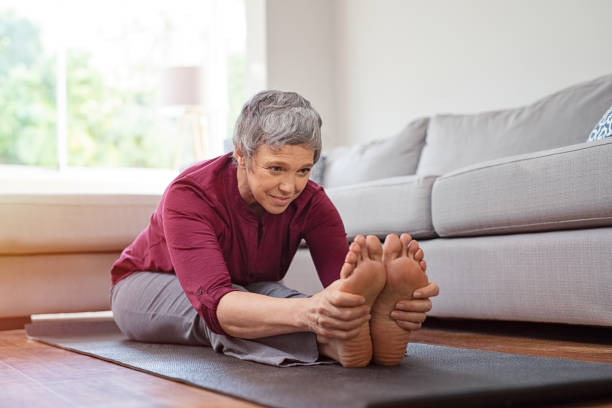
Hours at a keyboard tighten the shoulders, hips, and lower back. A short stretching routine — even three to five minutes — can restore a sense of ease before you start the next task. You do not need a yoga mat or prior experience; a carpeted floor or standing space is enough.
Try this simple sequence: roll your shoulders backward ten times, tilt your ear toward each shoulder and hold for twenty seconds, then interlace your fingers behind your back and gently lift your chest. Finish with a forward fold, letting your head hang heavy for three breaths. Repeat once or twice during the day.
Many club members use our morning stretch prompts as a transition ritual — a signal that the day has started and their body is invited to participate. On colder mornings, start with smaller movements and gradually increase range as you warm up.
Consistency beats intensity every time — here is how our members make it stick.
"I stopped trying to exercise for an hour and started doing ten minutes after lunch. Three months later, I walk most days without thinking about it." — Club member, Porirua
Move with intention and respect for your own body and environment.
All activities suggested by the Movement Every Day club are intended for general active living and recreation. They are not tailored to individual circumstances. Before beginning a new movement routine, assess your current physical capacity honestly and consult a qualified professional if you have any concerns about your ability to participate safely.
Wear appropriate footwear with good grip when walking outdoors. Choose routes with even surfaces and adequate lighting, particularly during New Zealand's shorter winter days. Carry water during longer walks in warm weather and apply sun protection when UV levels are high.
Stop any activity if you feel sharp pain, dizziness, or unusual discomfort. Rest, hydrate, and seek appropriate care if symptoms persist. Modify challenges to suit your level — seated stretches, shorter distances, and slower paces are all welcome adaptations.
When exercising near roads, follow pedestrian safety rules: use footpaths where available, cross at designated points, and remain aware of traffic. If walking alone in quiet areas, let someone know your route and expected return time.
If you are unsure whether a specific activity is appropriate for you, speak with a qualified professional before participating in club challenges.